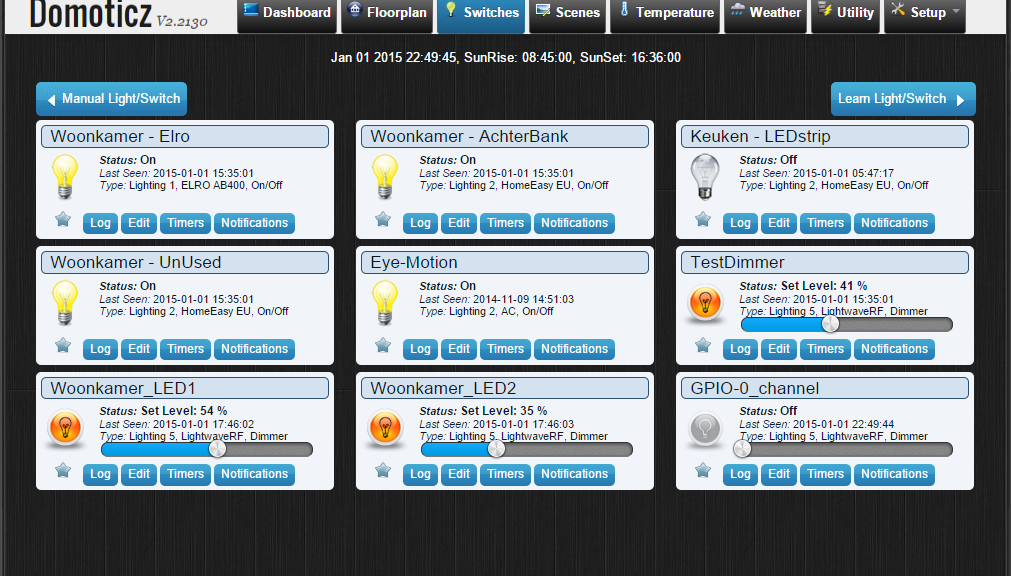
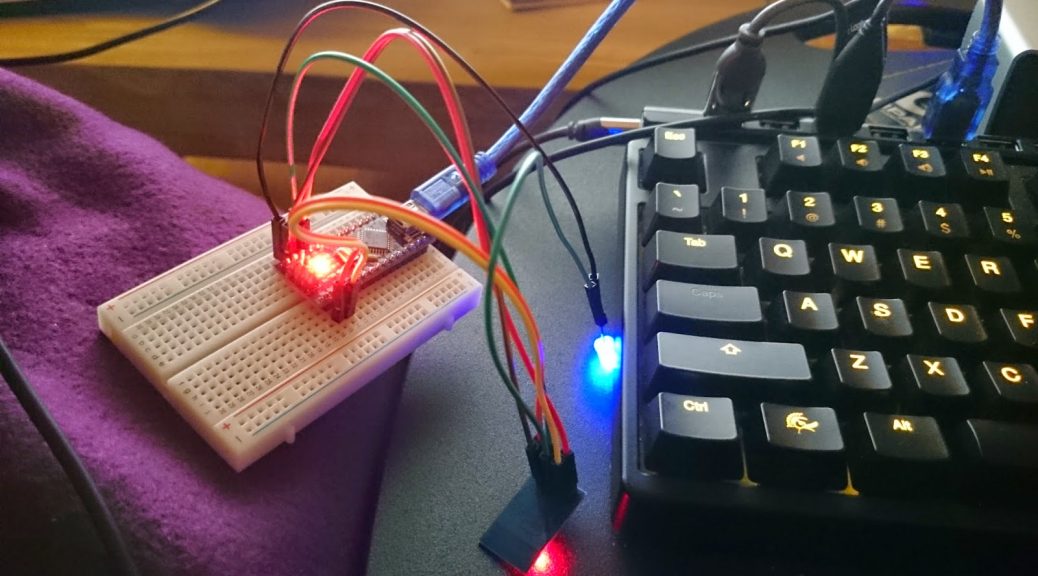
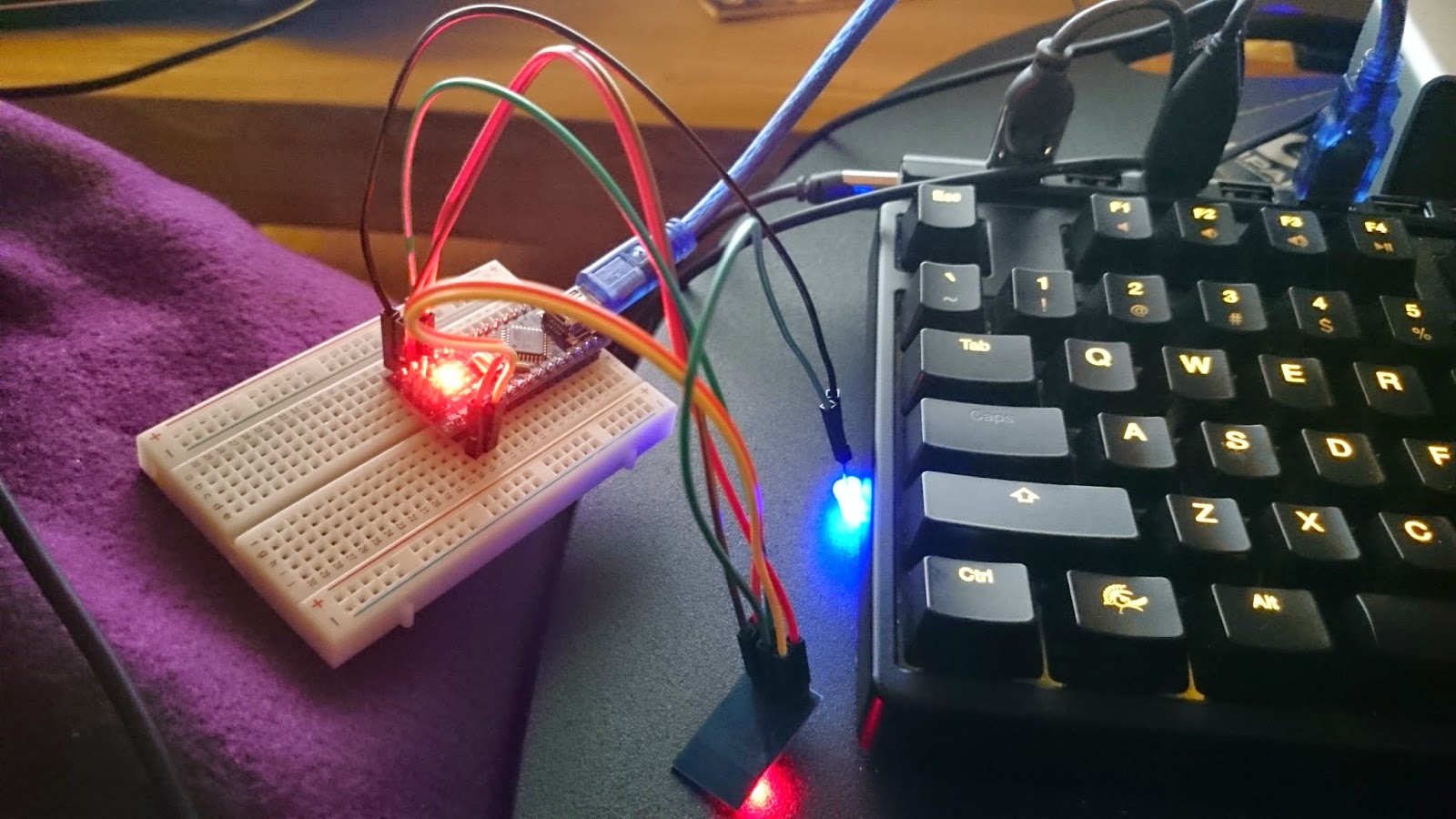
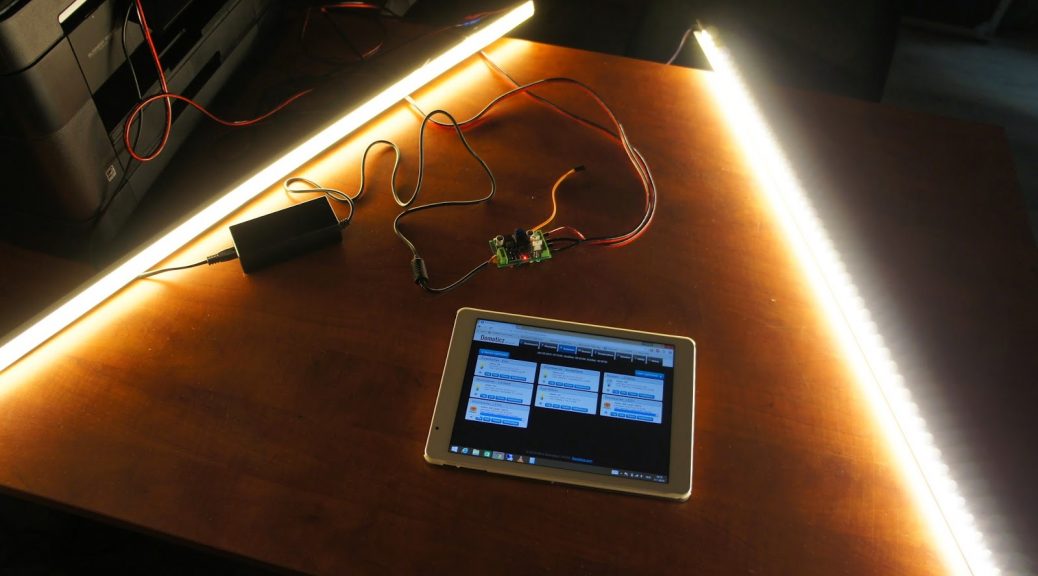
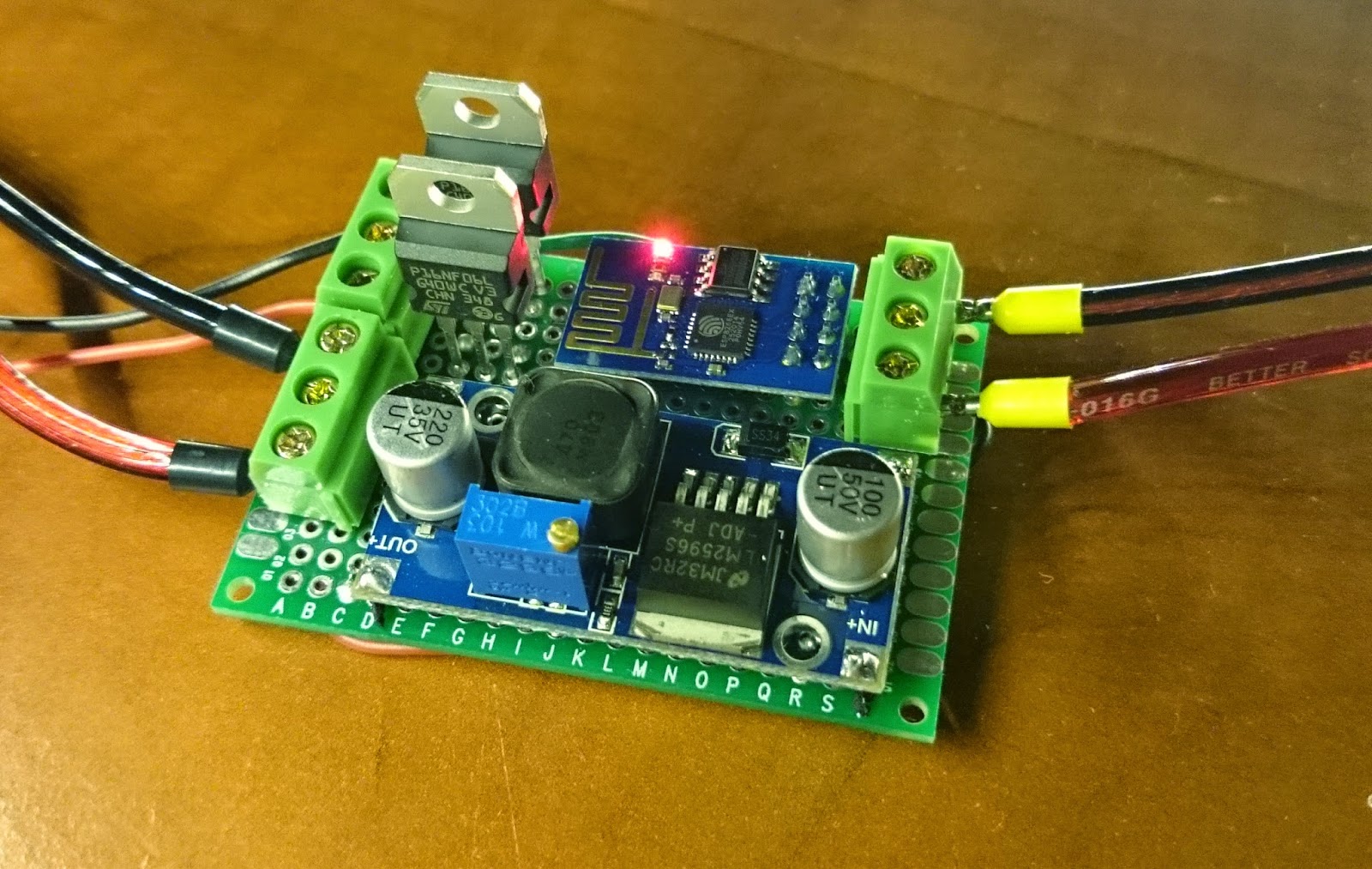
The last part of the ESP8266 WiFi LED dimmer project is getting it to work inside of my Domotica system of choice: Domoticz. We can do this using LUA scripts, in the end you will have an easy dimmer slider in Domoticz which you can use to control each channel of the ESP8266 WiFi LED dimmer.
To get started with the ESP8266 ESP-01 I recommend flashing and programming it before soldering it down. This way you know it’s working and that the program code is also functioning. Depending on how you mount it on your board it can be a bit hard to do so later on!
Connect the board to USB using an Arduino or Serial-to-USB adapter
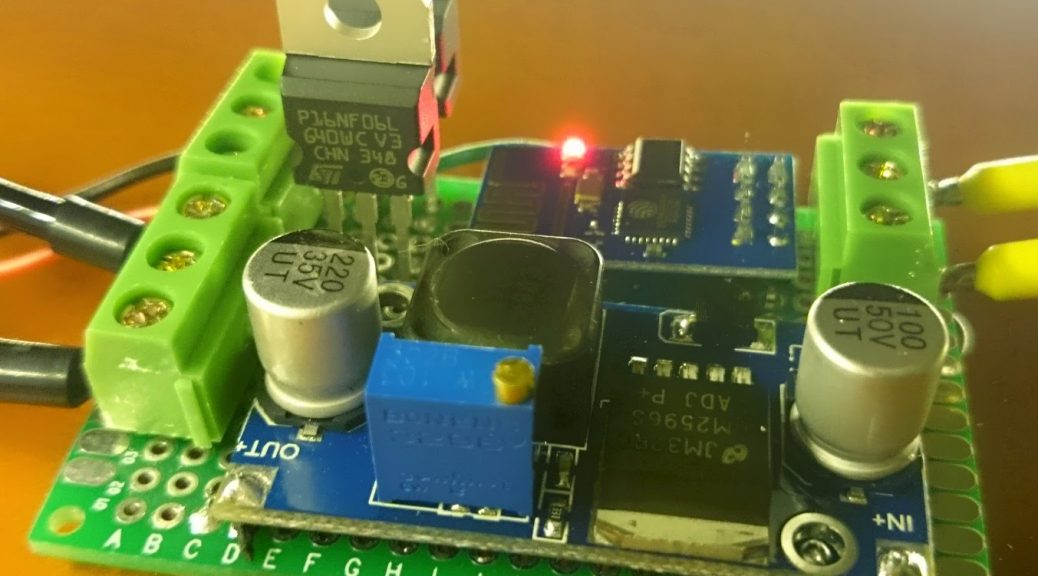
This post will describe the hardware you need to build your own WiFi controllable LED dimmer! This post will list what you need, why and where I bought it from!
For a while now I’ve been working on building my own network controlled LED dimmer. I have sampeled some commercially available remotely controllable LED dimmers (DX.com models, AppLamp, Fibaro Z-wave, etc.) but all either lacked some fuctions or where WAY too expensive to rollout house wide. So, I decided to construct my own version! In the next few posts I will detail my efforts and explain in detail how to build the latest version! Read on!
I’m a big promoter of ‘community’ driven Android ROM’s and in particular Cyanogenmod. For one reason or another all of my Android devices end up running Cyanogenmod sooner or later, stock ROM’s just don’t cut it, don’t get updated in time or are even just horrible with bloatware and other nonsense. But once in a while doing a flash I encounter a bug which Cyanogenmod/CWM or at least, something goes wrong. If you know what is going on, it’s easy to fix though, let me explain!
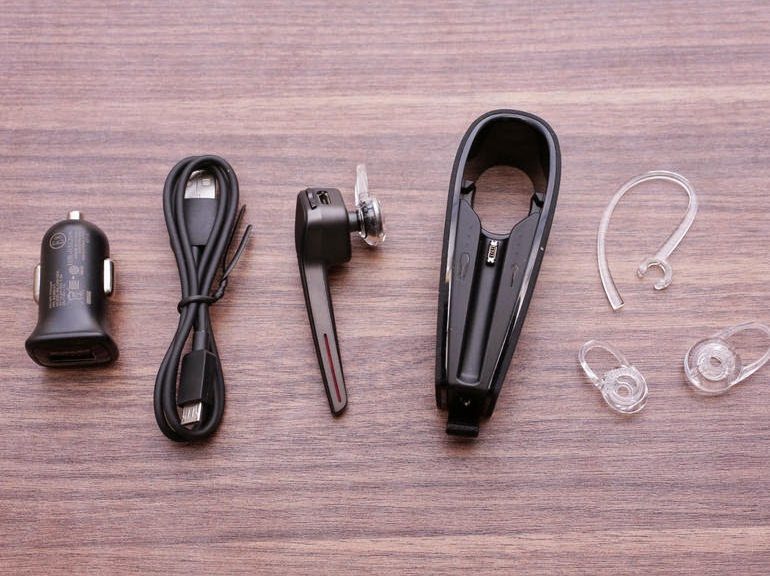
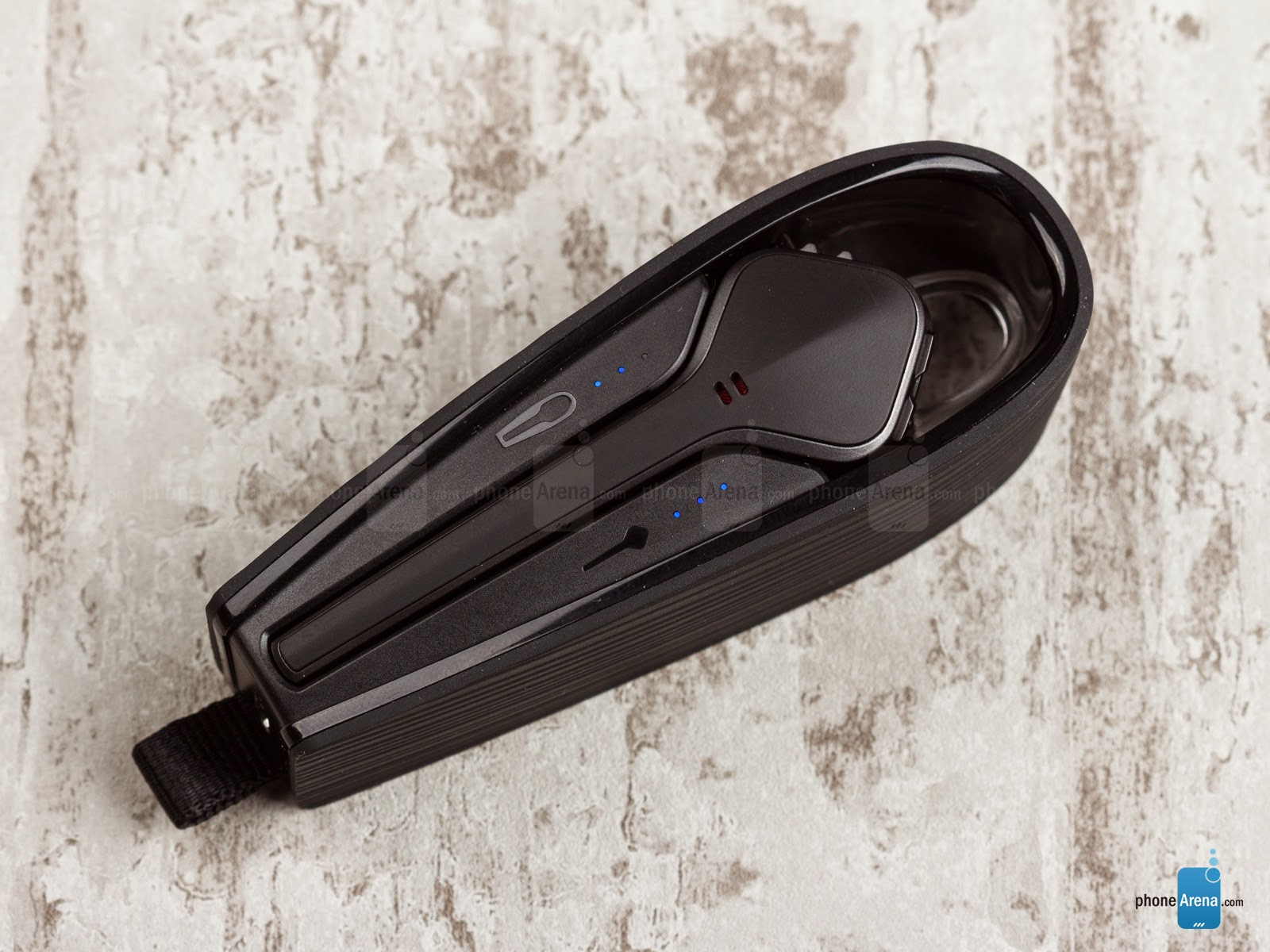
Once in a while you look for a solution to a problem and you find that a company has actually made something that works perfectly for you. The Plantronics Voyager Edge is such a product. From the moment I started using it, it surprised me in ease of use and quality. Read on to find out why! p.s. This will be a quick and dirty review of my experience.
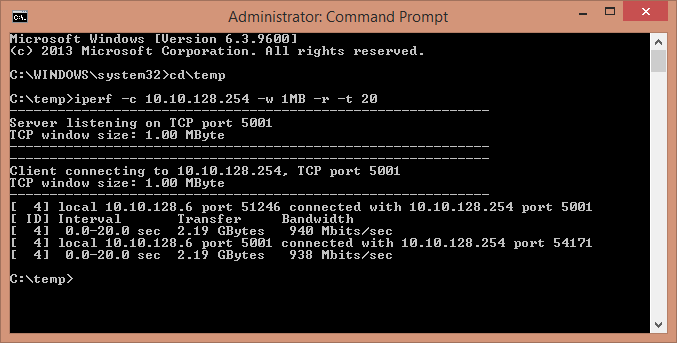
Both for my work and private tinkering I often have the need to do bandwith tests over a network connection. Sometimes it’s troubleshooting ethernet connections up to 10Gbit, sometimes it’s testing an internet line, a WiFi link or actual real-world VPN throughput potential. Whatever the case I often need a good mutli-platform bandwith testing tool. For this I use a program called “iperf” and while it can be a bit daunting at first with a little know-how it’s actually pretty easy! Read on to find out how to use it in a variety of situations:
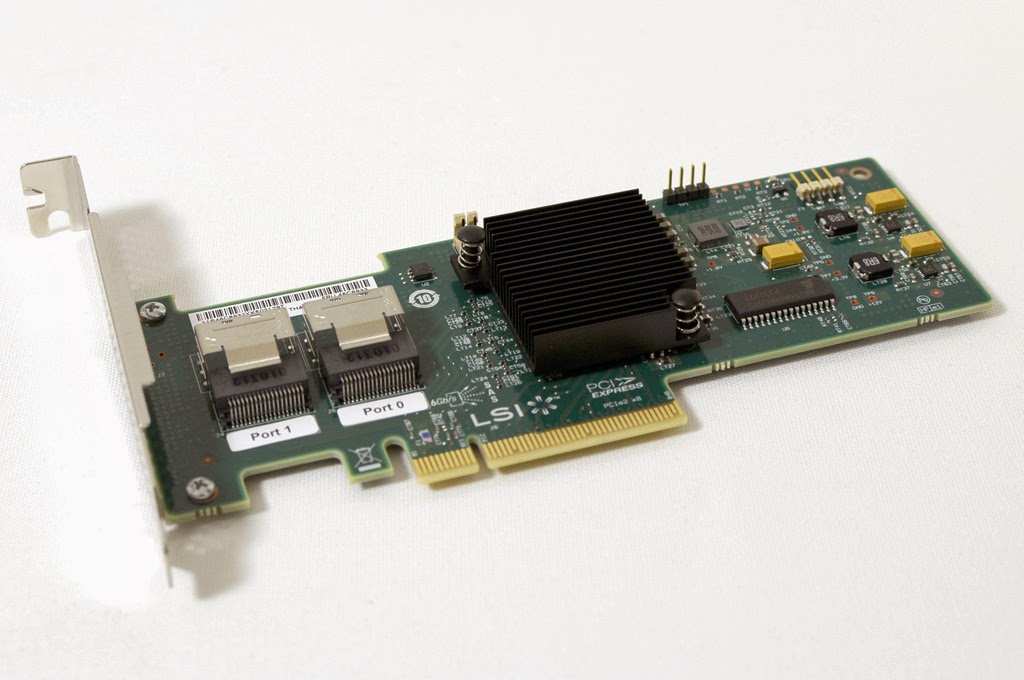
Don’t have enough ports available in your (Storage/ESXi) server? Even though modern motherboards come with 6 onboard port now a days, maybe it’s not enough for you. Or you are using a little bit older hardware and don’t have enough 6G ports (Only important to SSD’s really). A quick and easy way is adding a PCIe based storage controller. And while True Hardware RAID can be good to have, on lower end controllers it’s often more of a hindrance then a benefit. Especially when using something life software RAID or ZFS.
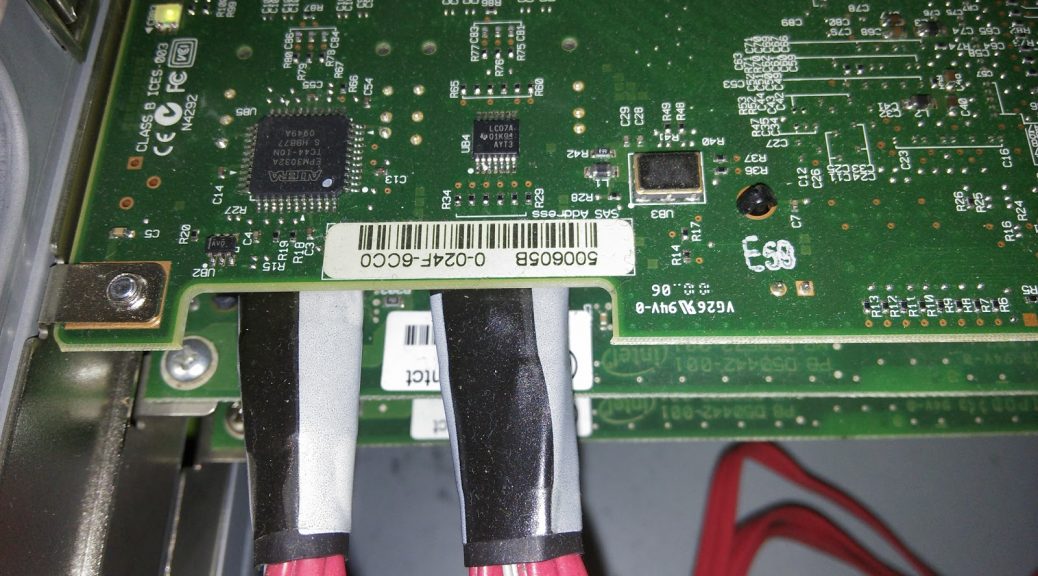
This guide will show you how to flash an LSI 9211-8i or 9220-8i / Dell Perc H310 / IBM M1015 to LSI IT firmware. IT stands for “Intergrated Target”. This way the disks get presented to the OS is a raw form, much like your motherboard ports would do. This enables complete control, SMART data for your OS and Power Management such as spindown. It will also help you if you encounter the “Failed to initialize PAL” error while flashing.
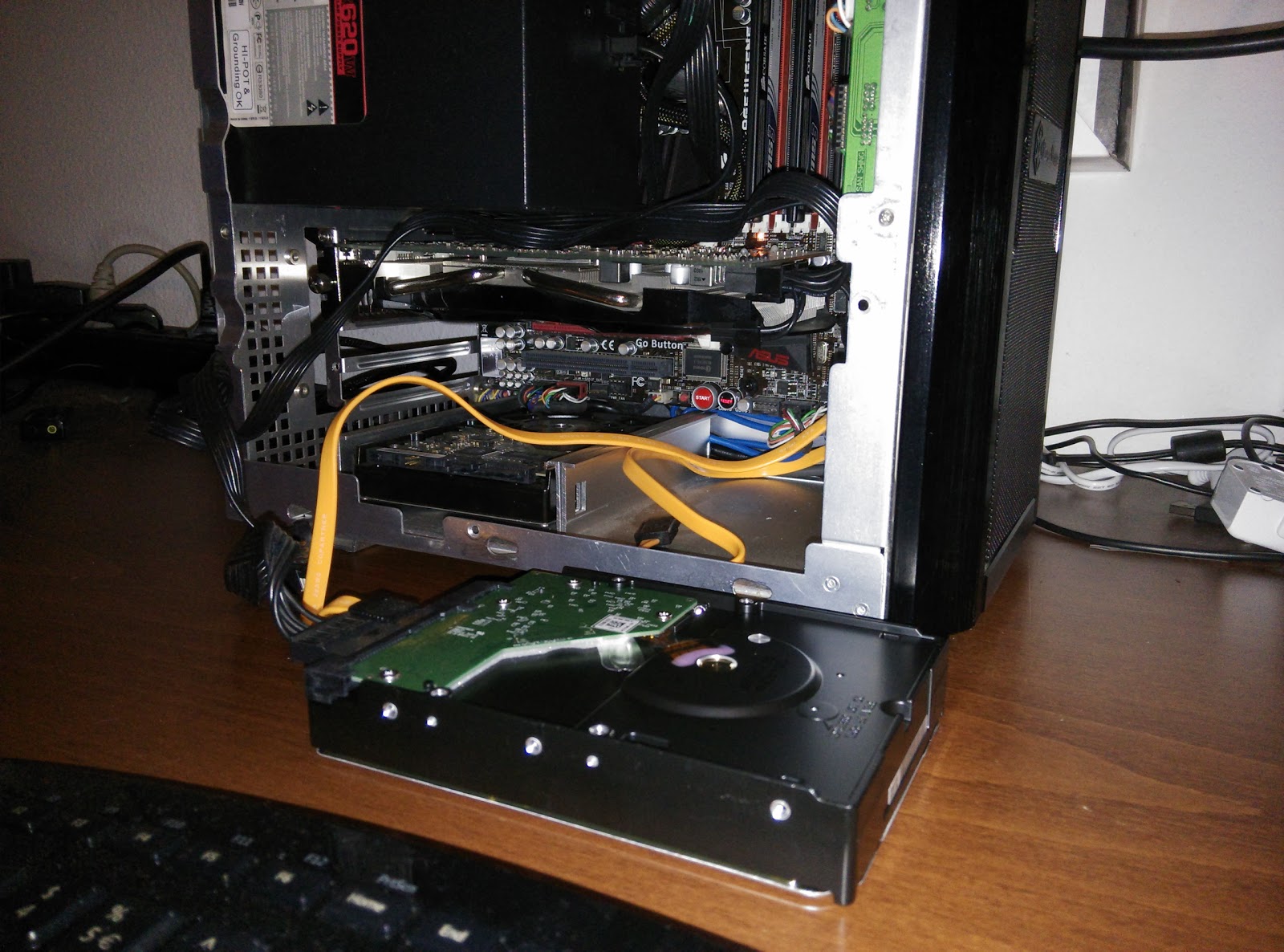
I have been building private servers for over 12 years now, as written before my current server is incarnation/version 8 with several even having minor revision numbers between the big numbers. During this time I have accumulated some best practices for myself and one of them is to always perform a full surface scan on (new) disks I receive. Read more about it in this article!
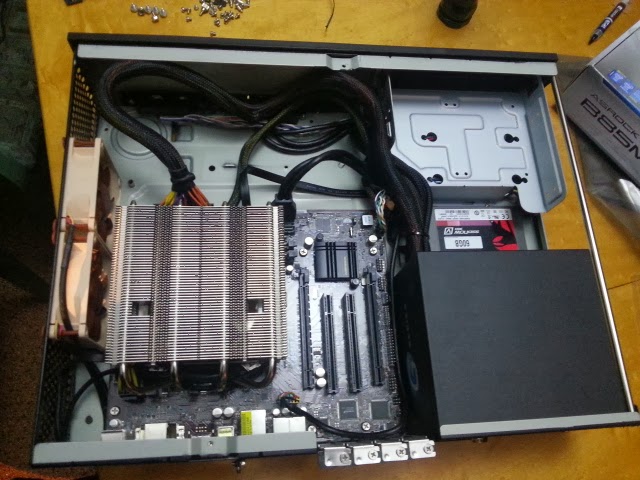
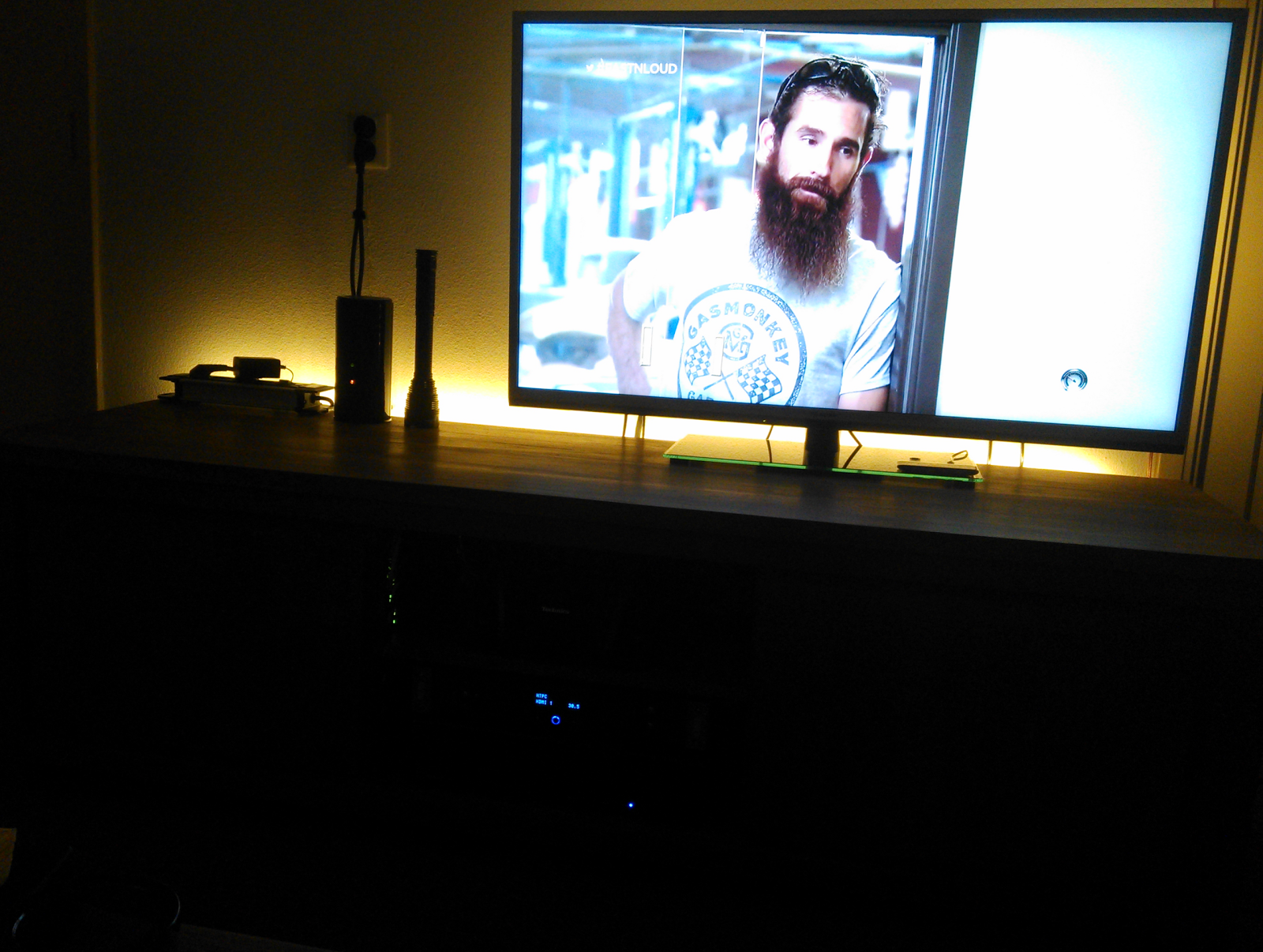
A while back I built myself a powerful PC based HTPC and today a friend asked me to design one for him. Since I have it all figured out anyway, I can just as well put it up on here.